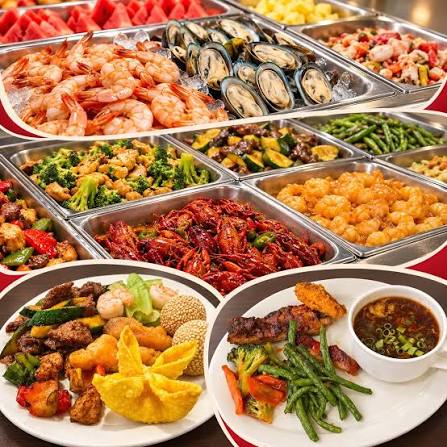
Chinese restaurant dining can reveal how deeply food connects with everyday routines, family habits, regional traditions, and social gatherings. Chinese cuisine newhongkongchineserestaurant.com does not rely only on elaborate specialties. Many dishes grow from simple ingredients, practical cooking methods, seasonal produce, and recipes that people enjoy regularly. Rice, noodles, vegetables, tofu, dumplings, soups, seafood, and roasted meats can all appear in different forms depending on the region and occasion. This everyday foundation gives Chinese food a distinctive character because familiar ingredients can produce remarkably different experiences through sauces, spices, textures, and cooking techniques. Dining at a Chinese restaurant can therefore feel both accessible and exploratory. Guests may recognize ingredients they already enjoy while discovering preparations shaped by long-standing food customs. Shared dishes add another connection to everyday food culture, encouraging people to taste together, exchange preferences, and enjoy a meal at an unhurried pace.
Everyday Ingredients Build Character
Chinese cooking often demonstrates how ordinary ingredients can become expressive through thoughtful preparation. Rice, noodles, leafy greens, mushrooms, tofu, eggs, pork, chicken, seafood, and seasonal vegetables can appear across countless dishes. The ingredient itself provides only part of the experience. Cooking temperature, seasoning, texture, and timing can transform it into something completely different. A simple vegetable can become fragrant after wok cooking, while tofu can absorb a rich fermented sauce. This approach gives Chinese restaurant menus considerable variety without requiring exotic ingredients in every dish.
Rice Holds a Central Place
Rice provides a familiar foundation for many meals and works particularly well with shared dishes. Steamed rice can balance spicy sauces, rich meats, and intensely seasoned vegetables. Fried rice offers a more aromatic option with eggs, scallions, vegetables, seafood, or meat. Different preparations demonstrate how one staple can serve different purposes at the table. Rice can absorb sauces, soften strong flavors, and help diners create balanced bites. Its versatility reflects the practical nature of everyday food culture while still leaving plenty of room for culinary creativity.
Noodles Reflect Regional Traditions
Noodles bring their own connection to everyday dining. Different regions have developed distinctive noodle styles, textures, sauces, and broths. Handmade noodles can provide a firm, chewy bite, while thinner varieties may work better in delicate soups. Stir-fried noodles can develop fragrant wok aromas, while sauced preparations offer richer profiles. Toppings such as beef, pork, shrimp, mushrooms, and vegetables further change the dish. Exploring these variations helps diners see how regional food culture shapes everyday meals.
Dumplings Bring People Together
Dumplings often fit naturally into communal dining because guests can share them easily. Families and groups can enjoy steamed, boiled, pan-fried, or soup-filled varieties with different fillings and sauces. Pork, shrimp, vegetables, and mushrooms each create distinct flavor profiles. Dipping sauces allow diners to customize every bite with vinegar, soy, sesame, or chili. Their shareable nature makes dumplings especially suitable for social meals. The dish becomes part of the interaction, with guests passing plates and discussing which filling they prefer.
Vegetables Reflect Seasonal Eating
Vegetables play an important role in creating balanced meals. Chinese restaurants may feature bok choy, Chinese broccoli, eggplant, mushrooms, snow peas, bean sprouts, and various leafy greens. Quick stir-frying can preserve crispness while adding garlic and ginger, while braising can produce softer textures and deeper seasoning. Seasonal availability can also influence which vegetables appear on menus. This connection between produce and cooking technique demonstrates how everyday food culture can emphasize freshness without sacrificing flavor.
Wok Cooking Adds Energy
The wok remains closely associated with Chinese cooking because it allows cooks to work quickly over high heat. Vegetables can retain their texture while developing fragrant roasted notes, and proteins can gain browned surfaces without lengthy cooking. Garlic, ginger, scallions, sauces, and spices release their aromas rapidly during the process. The result often combines crisp vegetables, tender meat, and glossy sauces in one dish. Wok cooking demonstrates how technique can give everyday ingredients a lively character.
Braising Creates Comfort
Braising offers a slower approach that produces tenderness and depth. Meat, tofu, vegetables, and other ingredients can simmer in flavorful sauces until they absorb aromatic seasoning. Star anise, ginger, garlic, cinnamon, and other spices can contribute warmth and fragrance. Braised dishes often feel comforting because of their tender textures and rich sauces. Served with rice or vegetables, they can create a satisfying meal that reflects the connection between traditional techniques and everyday comfort.
Soup Adds Gentle Warmth
Soup can occupy a quiet but important place in Chinese food culture. Clear broths can highlight vegetables, mushrooms, seafood, tofu, or delicate herbs, while richer versions may include meat and longer-cooked ingredients. Ginger and scallions can add fragrance without overwhelming the broth. Shared soup also encourages diners to slow down during a meal. A few spoonfuls between stronger dishes can refresh the palate and provide warmth. This simple role makes soup particularly well suited to relaxed everyday dining.
Fermented Foods Bring Depth
Fermentation contributes distinctive flavors to many Chinese dishes. Fermented bean pastes, black beans, preserved vegetables, and other ingredients can add salty, earthy, tangy, and savory notes. Cooks often combine them with fresh vegetables, tofu, meat, or seafood to create balance. These flavors can seem intense at first, but they become easier to appreciate when paired with familiar ingredients. Fermentation also reflects how food traditions developed practical methods for preserving ingredients while creating new flavors.
Breakfast Traditions Inspire Menus
Everyday food culture extends beyond lunch and dinner. Chinese breakfast traditions include many different foods, depending on the region. Steamed buns, congee, noodles, dumplings, savory pastries, and other simple preparations can provide filling and comforting starts to the day. Restaurants that feature these foods give diners a chance to explore a different side of Chinese cuisine. Breakfast dishes often emphasize warmth, texture, and convenience, demonstrating how culinary traditions can become part of daily routines.
Congee Offers Simple Comfort
Congee provides an excellent example of how basic ingredients can create a deeply comforting dish. Rice cooks slowly with water or broth until it develops a soft, creamy consistency. Toppings can include meat, seafood, eggs, vegetables, ginger, scallions, or preserved ingredients. Different combinations create different flavor profiles without changing the basic character of the dish. Congee works well for diners seeking something gentle and warming. Its simplicity also highlights the broader principle that everyday food does not need elaborate ingredients to feel satisfying.
Roasted Meats Add Celebration
Roasted meats can bring a more festive quality to everyday dining while still connecting with familiar food traditions. Roast duck and char siu offer rich aromas, tender interiors, and flavorful surfaces developed through careful roasting. These meats can accompany rice, noodles, vegetables, or other shared dishes. Their presence can make a routine gathering feel more special without requiring a formal occasion. Roasted specialties also show how traditional techniques can turn relatively straightforward ingredients into dishes with considerable character.
Seafood Connects Food With Place
Seafood often reflects the relationship between cuisine and geography. Coastal regions have developed numerous ways to prepare fish, shrimp, squid, and shellfish using local ingredients and established techniques. Steaming can highlight freshness, while stir-frying introduces stronger aromas. Ginger, scallions, garlic, chili, and fermented seasonings can alter the final profile. Including seafood on a restaurant table can therefore provide more than a different protein. It can offer insight into how local resources influence everyday food traditions.
Tea Extends the Meal
Tea can accompany food throughout the day and plays an important role in the broader dining experience. Jasmine tea brings floral aromas, green tea provides freshness, and oolong offers deeper roasted notes. Pu-erh can bring an earthy profile that works with richer dishes. Sharing tea encourages conversation and creates natural pauses during meals. It also gives diners another sensory element to consider alongside food. A cup of tea can therefore connect the restaurant experience with a broader tradition of hospitality.
Family-Style Dining Reflects Community
Family-style dining places several dishes in the middle of the table so everyone can share. This format encourages interaction and creates flexibility because diners can take smaller portions of different foods. One guest might choose vegetables, another may prefer noodles, and someone else might reach for seafood or roasted meat. The table can accommodate these preferences without requiring separate meals. This communal approach reflects the social role food can play in everyday life, where eating together provides time for conversation and connection.

Sauces Change Familiar Foods
Everyday ingredients can feel completely different when cooks pair them with new sauces. Soy sauce adds savory depth, vinegar introduces acidity, sesame creates nuttiness, and chili provides heat. Sweet and savory combinations can complement roasted meats, while fermented sauces can deepen tofu and vegetable dishes. Diners can observe how a simple change in seasoning transforms a familiar ingredient. This flexibility helps explain why Chinese cuisine can maintain a strong connection to everyday foods while offering tremendous variety.
Texture Matters in Daily Meals
Chinese food culture pays close attention to texture, and this quality becomes noticeable across a restaurant menu. Crispy dumplings, chewy noodles, tender meat, silky tofu, crunchy vegetables, and juicy seafood can all appear together. Different cooking methods create these contrasts and help prevent meals from becoming monotonous. Texture can also influence how diners perceive sauces and seasonings. A crisp vegetable may make a rich sauce feel lighter, while a soft ingredient can absorb more of its flavor. These details add depth to even familiar dishes.
Regional Habits Shape Flavor
Food traditions differ considerably across China, and these differences influence restaurant menus. Sichuan cooking often features chili, Sichuan peppercorns, garlic, and fermented seasonings. Cantonese cuisine frequently emphasizes fresh ingredients and balanced preparation. Northern traditions feature wheat-based staples such as noodles, dumplings, and steamed breads. Coastal areas highlight seafood through numerous cooking techniques. These regional habits demonstrate how geography, ingredients, climate, and local preferences shape everyday food culture.
Street Food Inspires Casual Dining
Street food traditions offer another window into everyday Chinese eating habits. Savory pancakes, dumplings, buns, skewers, noodles, and other portable foods can provide quick and satisfying meals. These foods often emphasize bold aromas, practical portions, and efficient preparation. Restaurant menus may adapt some of these ideas into more polished presentations while preserving their essential character. Exploring street-food-inspired dishes can make a restaurant visit feel more casual and energetic while revealing another side of Chinese culinary culture.
Simple Meals Can Feel Complete
Chinese food culture demonstrates that a satisfying meal does not require every dish to be elaborate. A bowl of noodles with vegetables, a plate of dumplings, steamed rice with a flavorful protein, or soup accompanied by simple sides can create a complete experience. Balance often matters more than extravagance. Different textures, temperatures, flavors, and ingredients can work together to create variety. This practical approach gives diners plenty of ways to enjoy a meal without making food feel overly complicated.
Familiarity Makes Exploration Easier
Diners can use familiar foods as a starting point when exploring Chinese cuisine. Someone who already enjoys noodles can try a regional noodle style, while a fan of roasted meat might explore char siu or roast duck. Vegetable lovers can compare different wok preparations, and rice enthusiasts can experiment with fried rice variations. Familiar ingredients provide an anchor while new sauces, spices, and techniques introduce discovery. This gradual approach makes the menu feel accessible while still offering opportunities to expand personal preferences.
Food Culture Lives Around the Table
Chinese restaurant dining can offer a glimpse into food traditions shaped by daily routines, regional ingredients, practical techniques, and communal meals. Rice and noodles provide familiar foundations, while dumplings, vegetables, seafood, tofu, roasted meats, soups, and fermented foods add variety. Wok cooking, braising, steaming, frying, and roasting create different textures and aromas, while sauces and spices give each dish its own identity. Family-style sharing brings these elements together in a social setting where guests can taste, compare, and converse. The connection between everyday food culture and restaurant dining makes Chinese cuisine especially rich for exploration because even familiar ingredients can reveal new flavors when cooks approach them through different regional traditions and techniques.